
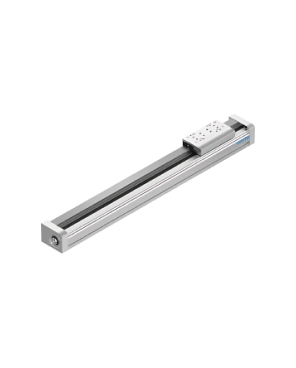
Ball screw linear actuator EGC-120-800-BS-10P-KF-0H-ML-GK (3013577)
Part Number: EGC-120-800-BS-10P-KF-0H-ML-GK
Reference code: 3013577
Warranty: 12 months
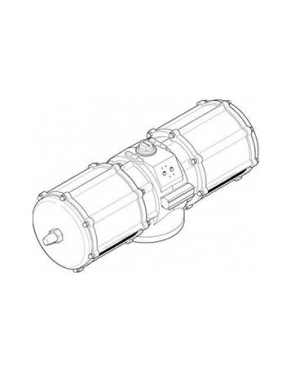
Quarter turn actuator DAPS-4000-090-RS1-F25 (560856)
Part Number: 560856
Order Code: DAPS-4000-090-RS1-F25
Brand: FESTO
Product Origin: Germany
Condition: New
Quarter turn actuator DAPS-4000-090-RS2-F25 (561694)
Part Number: 561694
Order code: DAPS-4000-090-RS2-F25
Brand: FESTO
Product Origin: Germany
Condition: New
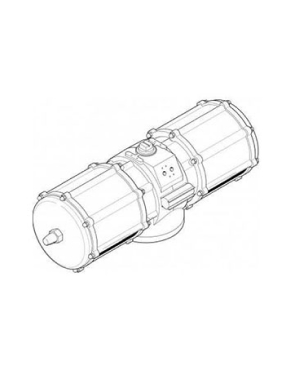
Quarter turn actuator DAPS-4000-090-RS3-F25 (561695)
Part Number: 561695
Order code: DAPS-4000-090-RS3-F25
Brand: FESTO
Product Origin: Germany
Condition: New
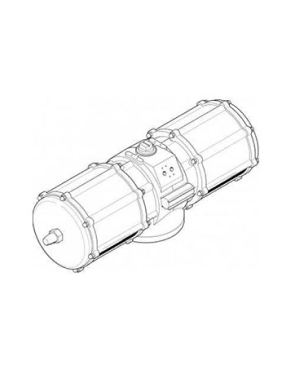
Quarter turn actuator DAPS-4000-090-RS4-F25 (561696)
Part Number: 561696
Order code: DAPS-4000-090-RS4-F25
Brand: FESTO
Product Origin: Germany
Condition: New
Understanding Actuators in Industrial Automation
Actuators are fundamental components of industrial automation systems, responsible for converting control signals into mechanical motion or physical action. In this comprehensive guide, we delve into the significance of actuators, their types, functions, applications, and the evolving role of actuator technology in modern manufacturing processes.
Introduction to Actuators:
Actuators play a pivotal role in industrial automation by translating control commands from control systems into mechanical movement, force, or torque. They are used to actuate valves, dampers, pumps, motors, and other mechanical devices, enabling precise control and manipulation of industrial processes.
Types of Actuators:
- Electric Actuators: Electric actuators use electrical energy to generate motion and perform mechanical tasks. They include linear actuators, rotary actuators, stepper motors, servo motors, and solenoids. Electric actuators offer precise control, high efficiency, and flexibility in a wide range of applications.
- Pneumatic Actuators: Pneumatic actuators use compressed air to generate linear or rotary motion. They include pneumatic cylinders, pneumatic valves, and pneumatic motors. Pneumatic actuators are widely used in applications requiring high speed, simple operation, and low cost.
- Hydraulic Actuators: Hydraulic actuators use hydraulic fluid to generate linear or rotary motion. They include hydraulic cylinders, hydraulic motors, and hydraulic valves. Hydraulic actuators offer high force, high power density, and precise control in heavy-duty applications.
- Mechanical Actuators: Mechanical actuators use mechanical components such as gears, cams, and levers to generate motion. They include screw jacks, gearboxes, and cam mechanisms. Mechanical actuators are simple, reliable, and cost-effective for certain types of motion control tasks.
Functions of Actuators:
Actuators perform several key functions within industrial automation systems:
- Motion Control: Actuators generate linear or rotary motion to move components, machinery, or materials within industrial processes. They enable precise positioning, speed control, and synchronization of mechanical systems.
- Valve Control: Actuators actuate valves to regulate the flow of fluids such as air, water, steam, gas, or chemicals in industrial processes. They control parameters such as pressure, temperature, flow rate, and level to maintain process stability and efficiency.
- Load Handling: Actuators lift, move, push, pull, or manipulate loads in material handling, assembly, and transportation applications. They provide the force, torque, and motion required to perform tasks such as lifting, gripping, sorting, and positioning.
- Process Automation: Actuators automate tasks such as opening and closing doors, gates, hatches, and covers in industrial environments. They enhance safety, efficiency, and productivity by eliminating manual intervention and streamlining operations.
Applications of Actuators:
Actuators find applications across a wide range of industries and processes, including:
- Manufacturing: In manufacturing plants, actuators are used for robotic assembly, material handling, packaging, machining, and welding applications.
- Process Industries: In process industries such as oil and gas, chemicals, and food processing, actuators control valves, pumps, mixers, and other equipment to regulate process variables and ensure product quality.
- Automotive: In the automotive industry, actuators control engine valves, throttle bodies, fuel injectors, brake systems, and steering mechanisms for vehicle control and performance.
- Aerospace: In aerospace applications, actuators control aircraft flight surfaces, landing gear, engine thrust, and cargo handling systems for safe and efficient operation.