
6AG1647-0AA11-2AX0 | Siemens SIPLUS HMI KTP400
Brand: Siemens
Product Origin: Germany
Warranty: 12 months
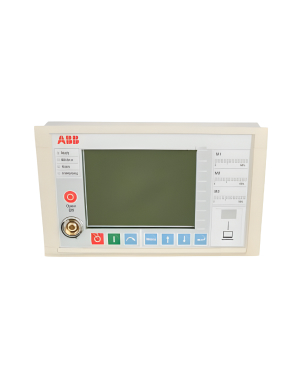
ABB 1VCR007346 G0032 | REF542plus HMI Unit
Brand: ABB
Part Number: 1VCR007346 G0032
Product Origin: USA
HS Code: 8537101190
Warranty: 12 months

SCHNEIDER HMIGTO2300
Brand: Schneider
Part Number: HMIGTO2300
Product Origin: FRANCE
HS Code: 8538900000
Warranty: 12 months
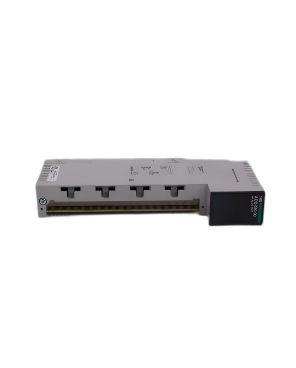
Schneider HMIGXU3512 | Modicon X80
Brand: Schneider
Part Number: HMIGXU3512
Product Origin: FRANCE
Warranty: 12 months

Schneider PLC HMIGTO5310
Brand: Schneider
Part Number: HMIGTO5310
Product Origin: FRANCE
Warranty: 12 months
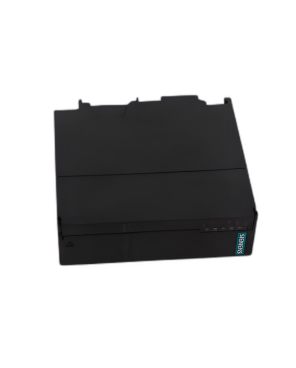
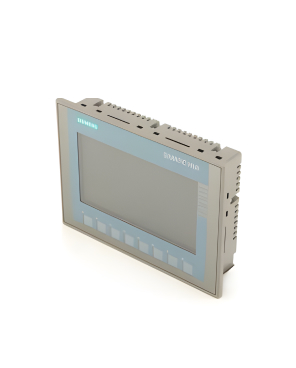
SIEMENS 6AV2123-2GA03-0AX0 SIMATIC HMI KTP700 BASIC WITH PROFIBUS
Brand: Siemens
Part Number: 6AV2123-2GA03-0AX0
Product Origin: Germany
HS Code: 8537101190
Warranty: 12 months
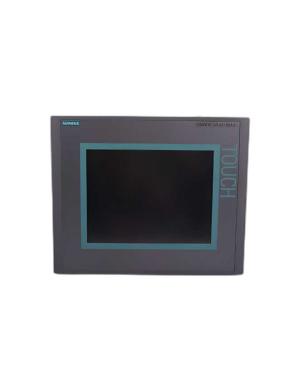
SIEMENS 6AV2124-0UC02-0AX0 | SIMATIC HMI TP1900 Comfort
Brand: Siemens
Product Origin: GERMANY
Warranty: 12 months
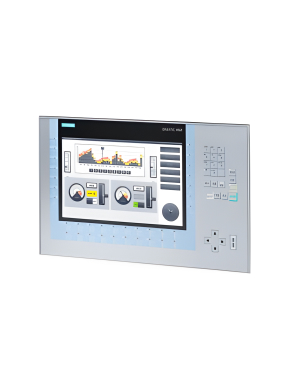
SIEMENS 6AV2124-1MC01-0AX0 Simatic HMI Comfort Panel
Brand: Siemens
Part Number: 6AV2124-1MC01-0AX0
Product Origin: Germany
HS Code: 8537101190
Warranty: 12 months
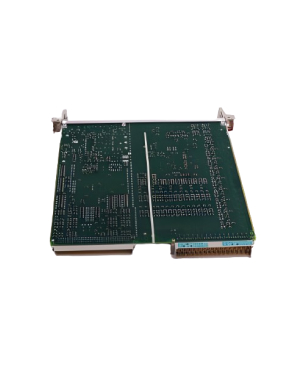
Siemens 6ES7272-0AA30-0YA0 Backlit LCD HMI Terminal
Brand: Siemens
Product Origin: USA
Warranty: 12 months
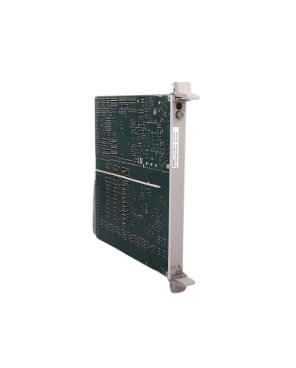
Siemens Panel A5E00444860 Sitras PRO HMI
Brand: Siemens
Part Number: A5E00444860
Product Origin: USA
Warranty: 12 months

Siemens Simatic 6AV6671-8XB10-0AX1 HMI Memory
Brand: Siemens
Product Origin: USA
Warranty: 12 months
Siemens Simatic HMI 6av2124-1qc02-0ax0
Brand: Siemens
Part Number: 6av2124-1qc02-0ax0
Product Origin: US
Warranty: 12 months

Siemens Simatic HMI IPC 6av7894-0bh10-0ab0
Brand: Siemens
Part Number: 6av7894-0bh10-0ab0
Product Origin: US
Warranty: 12 months
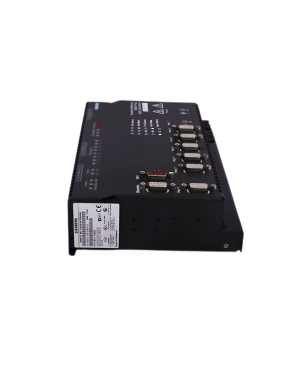
Siemens Simatic HMI IPC477C 6AV7884-3AH20-7BB0
Brand: Siemens
Part Number: 6AV7884-3AH20-7BB0
Product Origin: USA
Warranty: 12 months
Understanding Human-Machine Interface (HMI) in Industrial Automation
Human-Machine Interface (HMI) serves as the critical link between operators and machines in industrial automation systems, facilitating intuitive interaction, monitoring, and control of complex processes. In this comprehensive guide, we delve into the significance of HMIs, their components, functionalities, applications, and the evolving landscape of human-centric automation.
Introduction to HMI:
Human-Machine Interface (HMI) refers to the user interface that allows operators to interact with and control machinery and processes in industrial environments. HMIs provide visual representation of process data, control parameters, alarms, and other relevant information, enabling operators to monitor operations, make informed decisions, and optimize performance.
Components of HMI:
HMIs consist of several key components that work together to provide a seamless user experience:
- Display: The display is the primary visual interface of the HMI, presenting information in the form of graphics, text, and animations. Displays may range from simple text-based screens to high-resolution touchscreens with vibrant colors and multimedia capabilities.
- Input Devices: Input devices allow operators to interact with the HMI interface and control processes. Common input devices include touchscreens, keyboards, keypads, buttons, and switches.
- Communication Interfaces: Communication interfaces enable the HMI to exchange data with PLCs, sensors, actuators, and other devices in the automation system. Interfaces may include Ethernet, serial communication (RS-232/RS-485), Profibus, Modbus, and other industrial protocols.
- Control Elements: Control elements such as buttons, sliders, knobs, and menus provide intuitive means for operators to adjust parameters, initiate actions, and navigate through the HMI interface.
Functionalities of HMI:
HMIs offer a wide range of functionalities to support various tasks and operations in industrial automation:
- Process Monitoring: HMIs display real-time data such as temperatures, pressures, flow rates, and production counts, allowing operators to monitor process conditions and performance.
- Alarm Management: HMIs provide visual and audible alerts for abnormal conditions, equipment failures, and safety hazards, enabling operators to take prompt corrective actions.
- Data Visualization: HMIs present process data in graphical formats such as charts, graphs, and trends, making it easier for operators to analyze trends, identify patterns, and make informed decisions.
- Control and Setpoint Adjustment: HMIs allow operators to adjust control parameters, setpoints, and operating modes, enabling precise control of industrial processes.
- Recipe Management: HMIs support recipe management functionalities, allowing operators to create, edit, and store process recipes for different products or production scenarios.
Applications of HMI:
HMIs find applications across various industries and processes, including:
- Manufacturing: In manufacturing plants, HMIs are used to control assembly lines, robotic systems, conveyor belts, and other production machinery, monitoring production metrics and ensuring quality control.
- Utilities: In utilities such as power generation, water treatment, and HVAC systems, HMIs enable operators to monitor equipment status, control processes, and respond to alarms and emergencies.
- Process Industries: In process industries such as oil and gas, chemicals, and pharmaceuticals, HMIs are used to monitor and control complex processes such as mixing, distillation, reaction, and batch processing.
- Building Automation: In commercial and residential buildings, HMIs control HVAC systems, lighting, access control, security cameras, and other building automation systems, enhancing comfort, energy efficiency, and security.