


Understanding Sensors in Industrial Automation
Sensors are critical components of industrial automation systems, serving as the eyes and ears of the operation by detecting and measuring physical parameters such as temperature, pressure, flow, position, and proximity. In this comprehensive guide, we explore the significance of sensors, their types, functions, applications, and the evolving role of sensor technology in modern manufacturing processes.
Introduction to Sensors:
Sensors are devices that convert physical phenomena into electrical signals, allowing for the measurement, monitoring, and control of various parameters in industrial automation. They play a crucial role in providing real-time data and feedback to control systems, enabling precise and efficient operation of machinery and processes.
Types of Sensors:
- Temperature Sensors: Temperature sensors measure the temperature of a system or environment and convert it into an electrical signal. Common types of temperature sensors include thermocouples, resistance temperature detectors (RTDs), and thermistors.
- Pressure Sensors: Pressure sensors measure the pressure of gases or liquids and convert it into an electrical signal. They are used in applications such as monitoring hydraulic systems, pneumatic systems, and process vessels.
- Flow Sensors: Flow sensors measure the flow rate of liquids or gases and provide feedback on flow velocity, volume, or mass flow. They are used in applications such as monitoring fluid flow in pipelines, pumps, and cooling systems.
- Position Sensors: Position sensors detect the position or displacement of an object and provide feedback on its location. They include sensors such as proximity sensors, encoders, linear potentiometers, and laser displacement sensors.
- Level Sensors: Level sensors measure the level of liquids or solids in tanks, vessels, or hoppers and provide feedback on the fill level. They are used in applications such as inventory management, liquid level control, and leak detection.
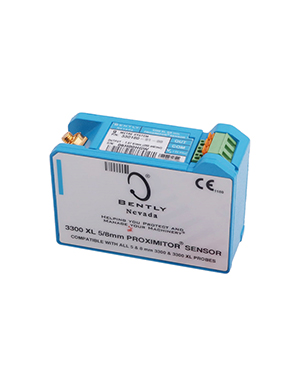
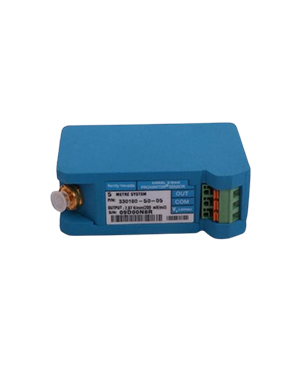
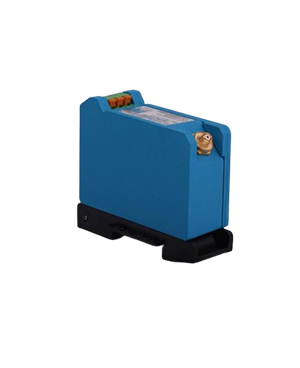
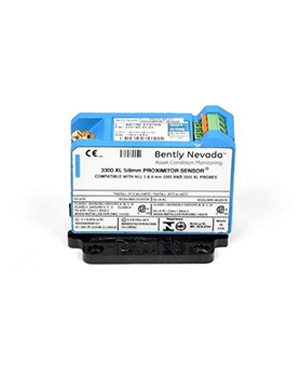
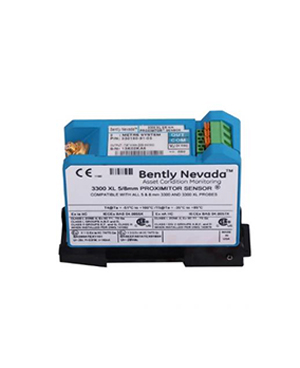
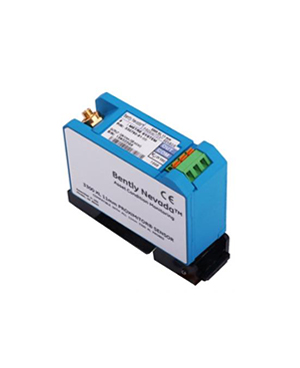
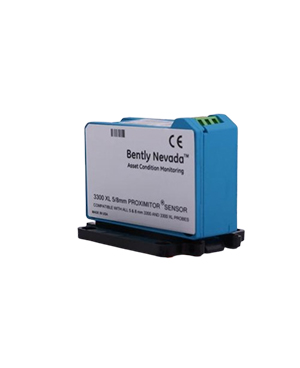
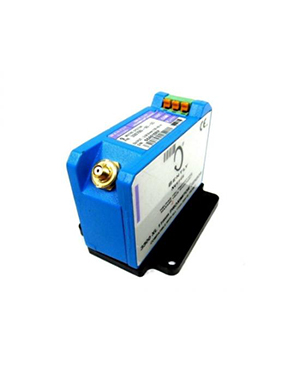
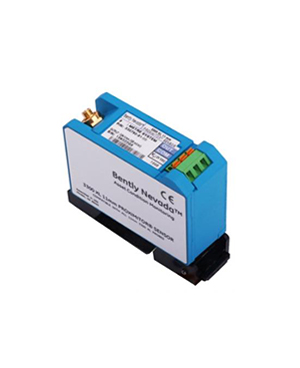
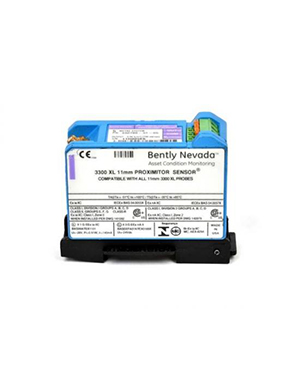
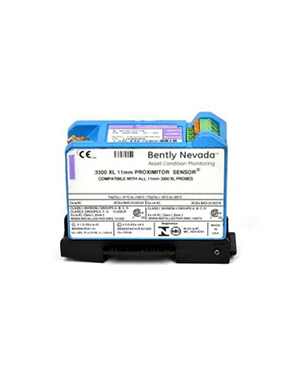
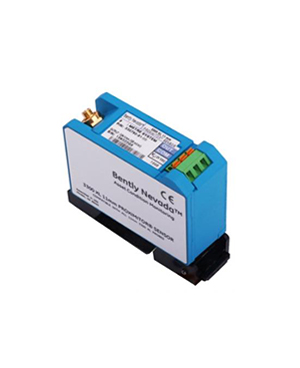
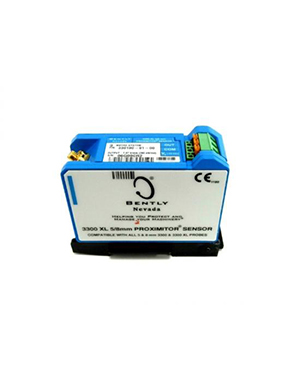
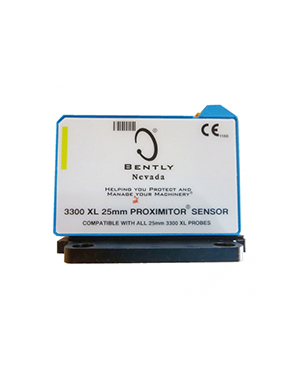
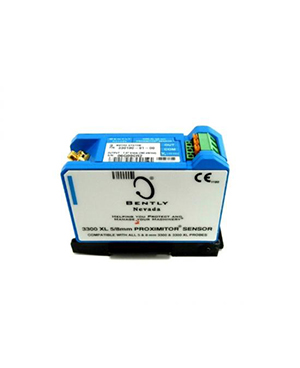
- Proximity Sensors: Proximity sensors detect the presence or absence of objects without physical contact and provide feedback on object detection. They include sensors such as inductive sensors, capacitive sensors, and photoelectric sensors.
Functions of Sensors:
Sensors perform several key functions within industrial automation systems:
- Data Acquisition: Sensors collect real-time data on physical parameters such as temperature, pressure, flow, and position, providing valuable information for process monitoring and control.
- Feedback Control: Sensors provide feedback to control systems, allowing for closed-loop control of industrial processes based on real-time measurements and setpoint values.
- Fault Detection: Sensors detect abnormal conditions such as overtemperature, overpressure, or flow deviations, triggering alarms or shutdowns to prevent equipment damage or process failures.
- Safety Monitoring: Sensors monitor safety-critical parameters such as machine position, speed, and proximity to ensure safe operation of machinery and equipment.
- Quality Control: Sensors verify product quality by monitoring parameters such as dimensions, weight, and composition, ensuring compliance with quality standards and specifications.
Applications of Sensors:
Sensors find applications across a wide range of industries and processes, including:
- Manufacturing: In manufacturing plants, sensors are used for process monitoring, quality control, machine condition monitoring, and predictive maintenance.
- Automotive: In the automotive industry, sensors are used for engine monitoring, vehicle dynamics control, driver assistance systems, and autonomous driving technologies.
- Energy: In power generation and distribution systems, sensors are used for monitoring equipment condition, energy efficiency optimization, and grid stability control.
- Healthcare: In healthcare facilities, sensors are used for patient monitoring, diagnostic imaging, medical device monitoring, and drug delivery systems.