




What is Human-Machine Interface
- plcking
- category:HMI
Introduction to HMI
Human-Machine Interface (HMI) plays a pivotal role in our technologically advanced world, acting as a bridge between humans and machines. In various industries, HMI facilitates seamless interaction, making complex systems more accessible and user-friendly.
Evolution of HMI Technology
Over the years, HMI has evolved significantly, from simple control panels to sophisticated touchscreens and voice-activated interfaces. Technological advancements have propelled HMI to new heights, revolutionizing how we interact with machines.
Key Components of HMI
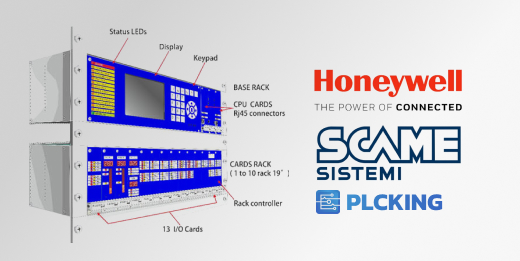
The core components of HMI include display screens, input devices, and communication interfaces. These elements work in harmony to provide a user-friendly experience, allowing individuals to monitor and control machines effortlessly.
Applications of HMI
HMI finds applications across diverse sectors such as manufacturing, automotive, and healthcare. In the manufacturing sector, HMI ensures efficient control of machinery, while in healthcare, it enhances the operation of medical equipment.
Benefits of Implementing HMI
The implementation of HMI brings forth numerous benefits, including increased efficiency, enhanced user experience, and real-time monitoring capabilities. These advantages contribute to improved productivity and streamlined operations.
Challenges in HMI Design
While HMI offers tremendous advantages, designing effective interfaces comes with challenges. Usability issues, compatibility concerns, and security challenges are crucial aspects that demand careful consideration during the design process.
Future Trends in HMI
Looking ahead, HMI is expected to integrate with artificial intelligence and incorporate augmented reality interfaces. These advancements will further enhance the capabilities of HMI, opening new possibilities in human-machine interaction.
Importance of User-Centric HMI Design
User-centric design is paramount in HMI development, ensuring increased user engagement and reducing training time. Prioritizing the user experience contributes to the overall success of HMI applications.
Case Studies
Examining successful HMI implementations and learning from them is essential for industries looking to adopt this technology. Case studies provide valuable insights into the practical aspects of HMI integration.
Selecting the Right HMI Solution
Choosing the right HMI solution involves considering various factors, including the specific needs of the industry and the compatibility of the system. Industry-specific considerations play a crucial role in the selection process.
Common Misconceptions about HMI
There are misconceptions surrounding HMI that need clarification. Debunking myths and clarifying concepts help in fostering a better understanding of the technology.
HMI and Industry 4.0
As industries embrace the fourth industrial revolution, HMI becomes a key player in the transition to smart factories. Its role in facilitating automation and connectivity is pivotal in the Industry 4.0 landscape.
Integrating HMI into Existing Systems
The process of integrating HMI into existing systems requires strategic planning and retrofitting strategies. Ensuring compatibility with legacy systems is essential for a smooth transition.
Training and Skill Development in HMI
The increasing adoption of HMI necessitates training programs for individuals to acquire the skills required for this evolving field. Understanding the future job market trends is crucial for those considering a career in HMI.
Conclusion
In conclusion, HMI has become an integral part of our technological landscape, shaping the way we interact with machines. The future promises even more exciting developments as HMI continues to evolve, creating opportunities and challenges alike.
FAQs
Is HMI only used in manufacturing industries?
- No, HMI finds applications in various sectors, including healthcare, automotive, and more.
What are the key challenges in HMI design?
- Usability issues, compatibility concerns, and security challenges are common challenges in HMI design.
How does HMI contribute to Industry 4.0?
- HMI facilitates automation and connectivity, playing a pivotal role in the transition to smart factories in Industry 4.0.
Are there any misconceptions about HMI?
- Yes, there are common misconceptions about HMI, and it's essential to clarify these concepts for a better understanding.
What is the importance of user-centric HMI design?
- User-centric design enhances user engagement and reduces training time, contributing to the success of HMI applications.