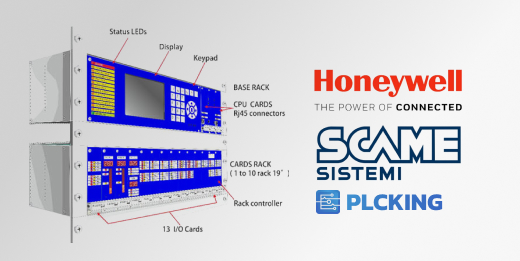
Programmable Logic Controllers, commonly known as PLCs, are critical components in modern industrial automation. These devices play a pivotal role in controlling and monitoring machinery and processes across various industries. In this article, we will delve into the fundamentals of PLCs, exploring their functions, applications, and the impact they have on enhancing efficiency and precision in automated systems.
What is a PLC?
A Programmable Logic Controller is a specialized computing device designed to control machinery and processes in industrial settings. Unlike general-purpose computers, PLCs are ruggedized and built to withstand harsh industrial environments. They are equipped with input and output (I/O) points to interact with sensors and actuators, making them versatile tools for automation.
Key Functions of PLCs
PLCs perform a range of functions crucial to automation, including:
Logic Operations: PLCs execute logical operations based on the programmed instructions. This involves making decisions and implementing control strategies to ensure the desired outcome of a process.
Data Handling: PLCs can process and store data, allowing for the collection of information from sensors and other input devices. This data is then used to make informed decisions and adjustments to the automated system.
Communication: PLCs facilitate communication between various components in an automated system. This includes interfacing with human-machine interfaces (HMIs), sensors, actuators, and other PLCs, creating a cohesive and synchronized automation network.
Monitoring and Diagnostics: PLCs continuously monitor the status of connected devices and processes. They can provide real-time feedback, generate alerts for potential issues, and aid in diagnosing problems for efficient troubleshooting.
Applications of PLCs
PLCs find application in a wide range of industries, including manufacturing, energy, transportation, and more. Some common applications include:
Manufacturing Automation: PLCs control assembly lines, robotic systems, and other manufacturing processes to optimize production efficiency and quality.
Power Plants: In energy production, PLCs manage and control various components in power plants, ensuring safe and efficient operation.
Traffic Control Systems: PLCs contribute to intelligent traffic management by controlling traffic signals, monitoring intersections, and enhancing overall traffic flow.
Water Treatment: PLCs play a vital role in automating water treatment processes, ensuring the precise control of pumps, valves, and filtration systems.
Advantages of Using PLCs
The adoption of PLCs offers several advantages, including:
Flexibility: PLCs can be easily reprogrammed to accommodate changes in processes or production requirements.
Reliability: Designed for industrial environments, PLCs are robust and reliable, providing stable operation even in challenging conditions.
Scalability: PLC systems can be scaled up or down to meet the specific needs of different applications.
Cost-Effectiveness: PLCs contribute to cost savings by improving efficiency, reducing downtime, and minimizing the need for manual intervention.
In conclusion, Programmable Logic Controllers are indispensable tools in the realm of industrial automation. Their ability to execute precise control, handle complex logic operations, and facilitate seamless communication makes them key contributors to the advancement of modern automated systems. As technology continues to evolve, PLCs will undoubtedly play a central role in shaping the future of industrial processes and manufacturing.